
“The Big Lie” Hidden in Plain Sight
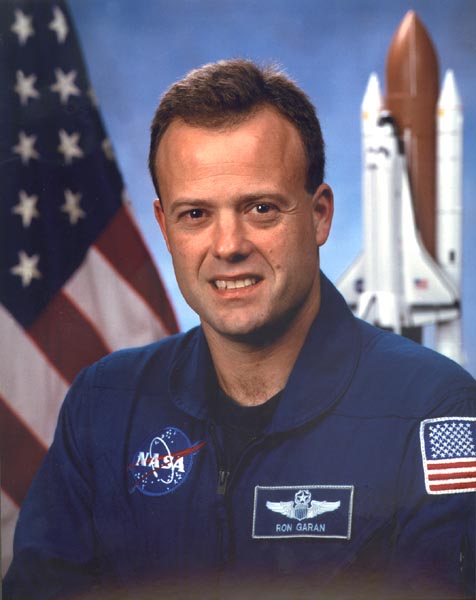
Astronaut Ron Garan spent 178 days aboard the International Space Station. From up there, he watched lightning storms ripple across entire continents and auroras sweep the sky like living waves of colour. But what moved him most wasn’t the spectacle—it was the planet itself. The atmosphere, he said, looked impossibly thin. Just a delicate veil separating all life from the endless void of space.
From that distance, the Earth looked both stunningly beautiful and heartbreakingly fragile.
He returned with what he now calls “the big lie”—the belief that our systems, especially our economy, should come before the planet. That profit outweighs sustainability. But from space, there are no borders. No divisions. Just one living, breathing home. And when you see it like that, the illusion falls apart.
The order is obvious: Planet → Society → Economy.
Not the other way around.
Ron is not alone in this realisation. Many astronauts describe the same shift—a profound cognitive and emotional awakening now known as the Overview Effect. It’s a sudden, irreversible recognition of Earth’s fragility, unity, and wonder. A sense of awe that changes how you see everything.
“Perspective doesn’t only come from distance—it comes from depth.”

But most of us will never have that experience—to float above the atmosphere or gaze down at the Earth from orbit. We won’t see the planet suspended in space with our own eyes, except maybe on TV. That kind of view is a rare privilege—a once-in-a-lifetime moment reserved for the very few.
But the truth is, we don’t need to leave the ground to touch that same truth. The same remembering, the same awe, the same perspective—it’s available to us, here, now, if we choose to pay attention.
Because what is it that mesmerises the astronauts when they’re up there, looking down? It’s Mother Earth herself. Nature is what holds them spellbound. They just needed to see it from another perspective. And you can too—from right where you are.
“You don’t have to leave the Earth to fall in love with it…
you have to come home to it.”
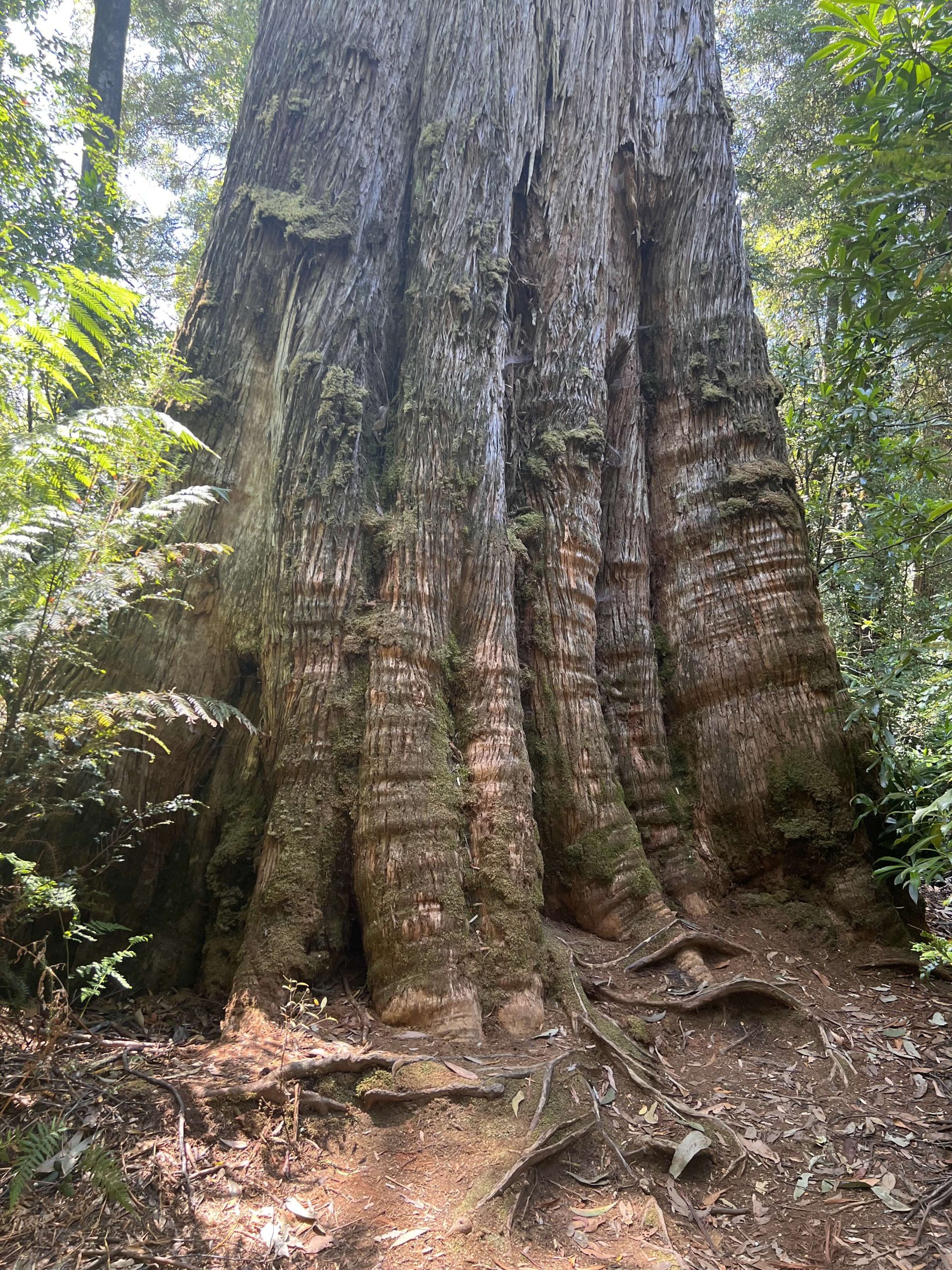
Have you ever stood with your back against a tree and thought to yourself: Wow, that’s older than any building. Imagine. That tree has stood through generations. It has weathered storms, survived fire, drought, silence. And here you are, resting against its quiet strength—its unwavering patience, its deep-rooted resilience. There’s a kind of wisdom in that—not spoken, but deeply felt.
And somehow, in the stillness of its presence, your breath begins to slow. Your thoughts soften. And a quiet knowing arises—not as a concept, but as something remembered in the body: you’re not here to conquer or control. You’re here to belong.
In the hush of a forest where time stretches differently, in the rhythm of wind, the call of a bird, or the breath of the sea, nature reminds us of what we’ve forgotten. This is what Nordic Mindfulness teaches us to return to again and again—not to walk through nature, but with it. To listen. To belong. To find meaning through the quiet wonder of the wisdom all around us—through every leaf, curve of bark, and moment of being alive within the living world.
Carl Sagan once described Earth as a “pale blue dot”—a speck in the vastness of the cosmos. But we don’t have to look to the stars to understand our place. Because the vastness isn’t only out there. It’s also here—in the forest, in the ocean, in the breath of a tree, and in the small miracles we walk past each day.
“The forest and the stars whisper the same thing: you belong.”
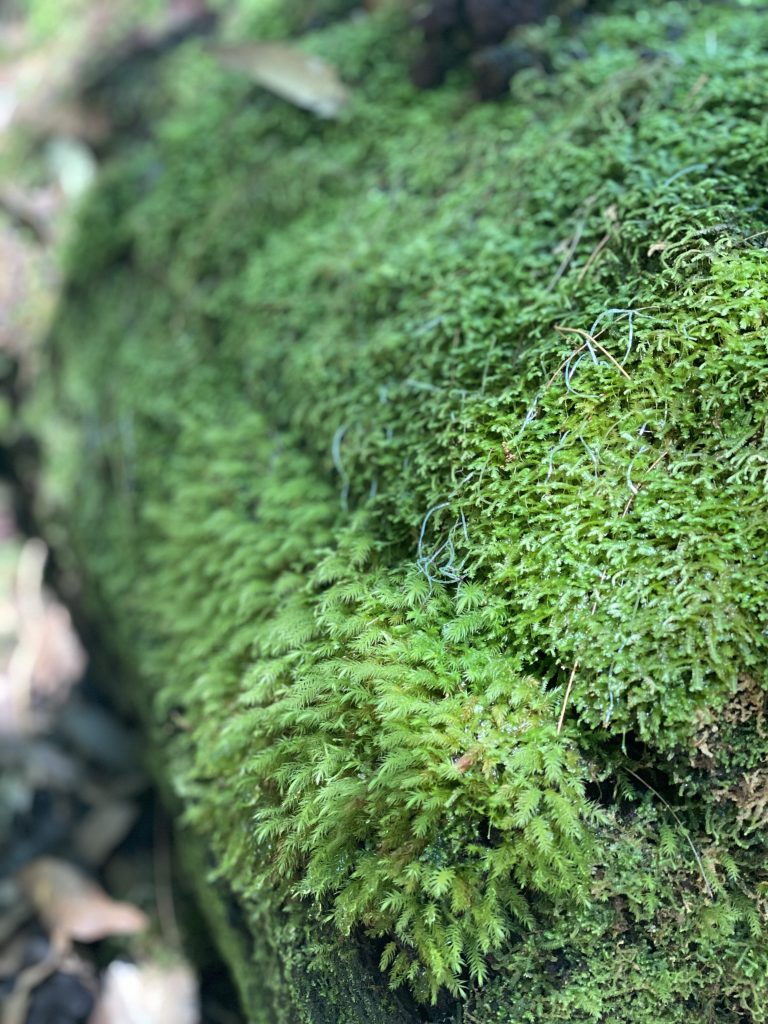
We can find that same sense of awe in the macrocosm and the microcosm. In galaxies and grains of moss. In constellations and the spiral of a seashell. In the immensity of the forest and the quiet presence of a single tree. Both the cosmos and the forest whisper the same thing: you are not separate from this world. You are part of it.
And here’s where it comes full circle—because the big lie isn’t just “out there.” It lives in us.
Someone came to me recently, feeling overwhelmed. “It just seems like the whole world is falling apart,” they said.
And I understood. Truly.
Then I offered this: “Here’s something interesting… all that stress we’re carrying—notice where it actually lives. It’s not in the soil. Not in the sea. Not in the trees. It’s in us. Stress exists inside people, not in the world itself.”
That landed. Because even when the world feels chaotic, there are still trees. There is still sky. There is still Earth. There is something older, steadier, and wiser than us—and perhaps, that’s where we begin to find meaning.
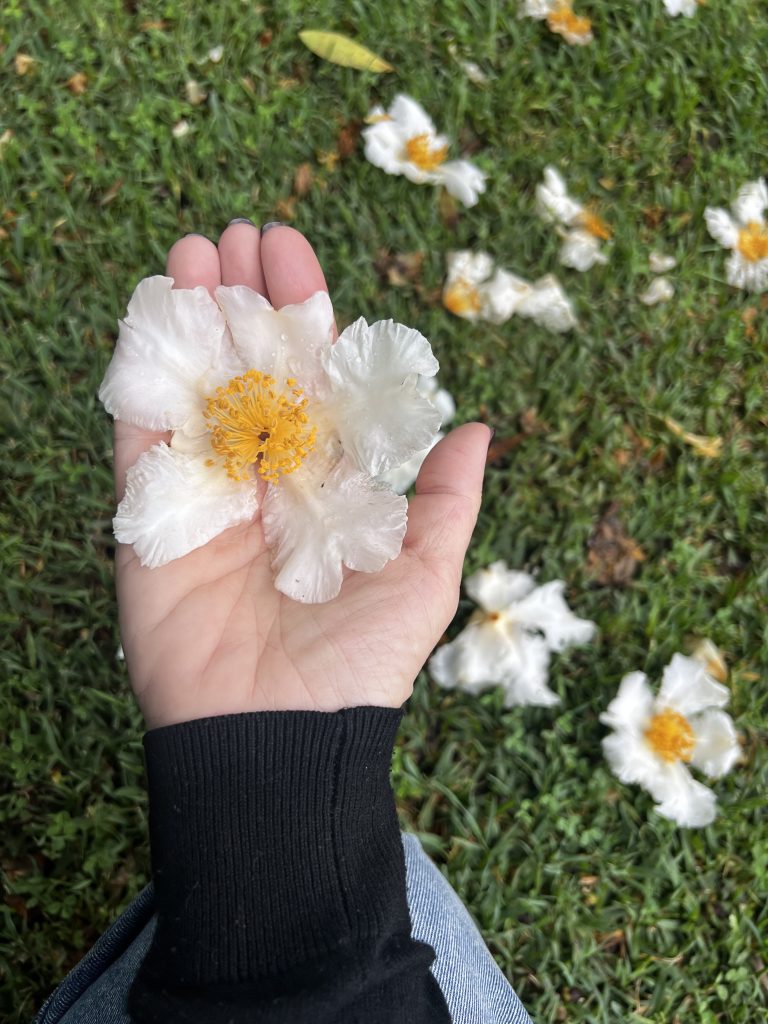
Not by trying to fix or control everything, but by remembering what already holds us.Carl Sagan said, “We are a way for the cosmos to know itself.” In other words, we are not separate from the universe — we are made of it. The atoms in our bodies were once part of stars. Our consciousness, our awareness, our ability to question, reflect, and marvel — that is the universe becoming aware of itself through us.
We are a conduit for something far greater than we can fully comprehend.
And maybe that’s all we need to lean into.
Maybe that’s the doorway — for all of us — to feel more deeply, to witness with wonder, and to reconnect with what truly matters.
The big lie may be loud. But it’s not the only voice. There is another one—quieter, older, deeper—and it speaks through the trees, through the stillness, through your breath.
All we have to do… is return to it.
🌏
Soul Tuning Prompt:
Where in your life have you mistaken the weight of the world for your own? And what stillness might be waiting for you beneath it?
Would You Like To Return To The Rhythm Of Life?
Click Below For FREE Access To The “Foundations of Nordic Mindfulness™ Ebook.