
The Nordic Way of Mindfulness PART 4: Re-Discovering Balance
“Mum, what are those hills over there?” I asked, pointing across the landscape with childlike curiosity.
She looked where I pointed and replied,
“That’s where our ancestors are buried. Long ago, when the Vikings lived here, they laid their loved ones to rest in those hills.”
I didn’t fully understand at the time. I imagined warriors, maybe a bit of magic, and stories whispered beneath the grass. But something about those hills stayed with me—their quiet presence, their shape, the feeling they carried.
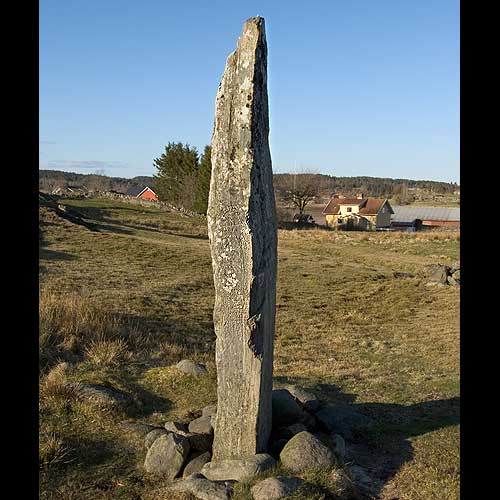
I grew up on Sweden’s west coast. Sea air, mossy rocks, forest trails. Rune stones would appear along the path, carved with symbols from another time. Life was calm, slow, predictable. Nature held everything. It was the kind of life that made space for breath.
But running underneath that stillness was something else—quiet cultural expectations.
Lagom: not too much, not too little. Just enough.
And Jante’s Law: don’t think you’re special, don’t stand out, don’t be more than anyone else.
These weren’t rules people spoke out loud. But they were there. In how we behaved. In how we related to success, visibility, emotion.
As a child, I didn’t question it. But as I got older, I started to feel confined. I wanted to sing louder, feel more, dream bigger. I wanted more—and I didn’t want to apologise for it.
So I left.

I travelled. I performed. I studied. I lived across the world and eventually made a new life in Australia. New culture. New rhythm. New identity.
I worked hard. Built a business. Raised a family. Tried to create something meaningful. And I genuinely believed I was living in balance.
I was meditating. Resting. Taking space where I could. From the outside, it probably looked like I had it together. And maybe part of me thought I did.
But then came the burnout.
And it wasn’t subtle.
My heart began skipping beats—ectopic rhythms that left me dizzy, overwhelmed, and exhausted. I couldn’t think clearly. I couldn’t keep going. My body, which had carried me through everything, suddenly refused to carry any more.
It forced me to stop.
And here’s what hit me the hardest:
I thought I was balanced.
But what I had was a performance of balance.
A structure. A plan. A set of wellness practices layered on top of constant striving.
Underneath, I was still doing too much. Holding too much. Carrying pressure to get it right.
I had confused doing less with being in harmony.
And they’re not the same thing.
That was the turning point.
Not in a dramatic, life-reshaping way. But in small, steady realisations. I began to return—not just to rest, but to something deeper. I remembered the rhythm of the seasons I grew up with. The space between things. The way the land moved slower, and asked me to do the same.
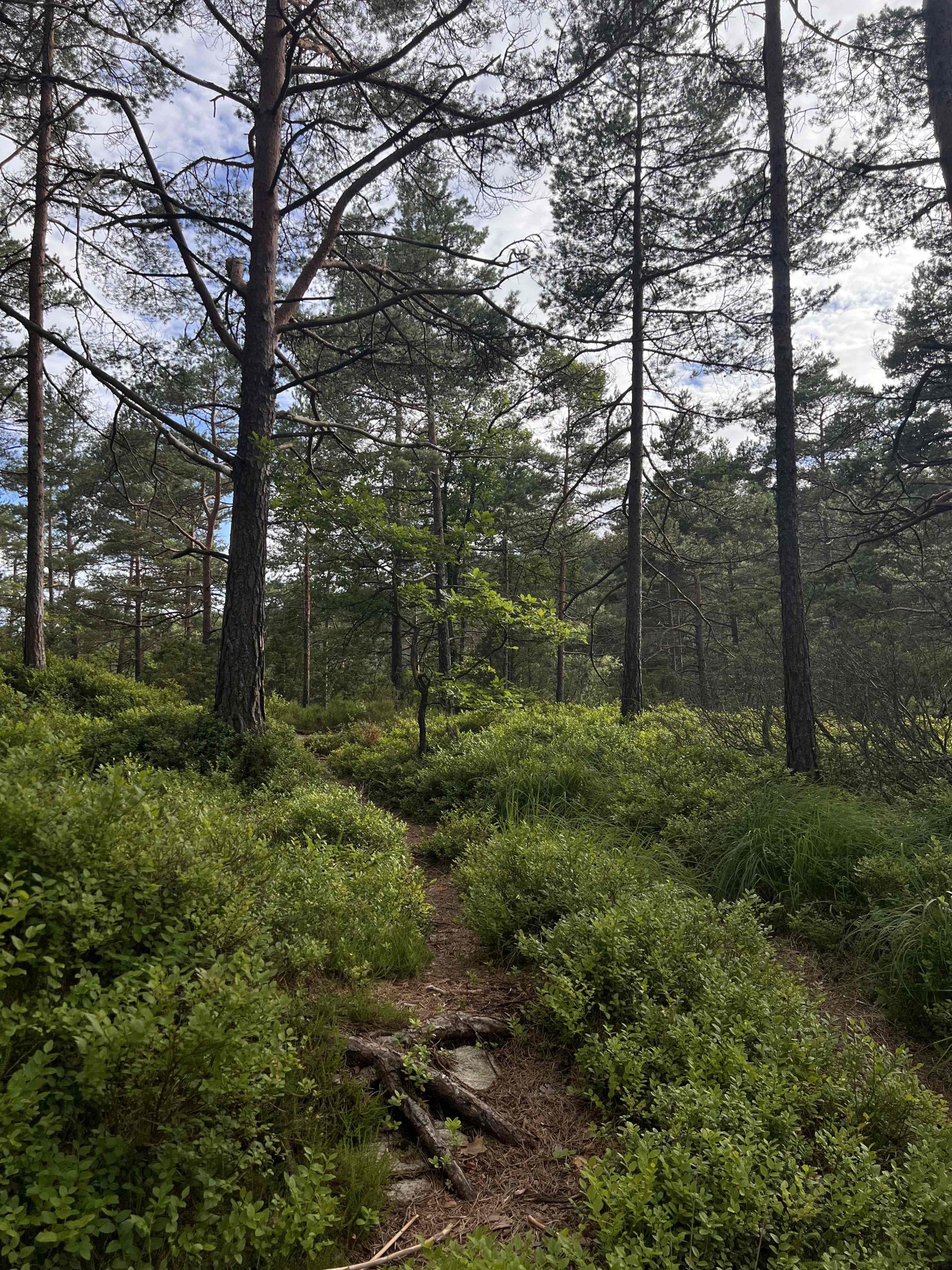
And that’s when the first principle of Nordic Mindfulness™ revealed itself to me.
Balance.
But not the kind we’re sold.
Not the kind you achieve through productivity hacks and colour-coded schedules.
Not a perfect work-life split.
Not a final destination.
Because real balance, I’ve now come to understand, is not a state.
It’s a relationship.
It’s something we fall in and out of, like breath.
It moves. It shifts. And more importantly, it asks us to listen, not control.
It’s more like harmony than equality.
Like music—where the notes are different, sometimes dissonant, but they resonate.
Where silence is just as important as sound.
Where rhythm matters more than perfection.
This is what I mean when I talk about balance in Nordic Mindfulness™.
It’s not about getting everything right.
It’s about feeling your way into to yourself.
And that’s where the BRAISS framework begins.
Not with action.
Not with transformation.
But with a return to something simpler. Something wiser underneath all the noise of enticing perfection and order that tells us balance is not the goal, acceptance and adaptability is far more important.
These days, I still lose my rhythm. I still slip into doing too much. But now I notice it sooner. And I no longer expect balance to mean everything’s working.
I know now that balance is not a finish line. It’s a practice. A conversation. A quiet, and continuous, returning.
Real balance isn’t still. It’s a living rhythm—a gentle dance between movement and pause, between effort and ease.
Tell me, if you let go of trying to create perfect balance all the time—what might you be able to use that energy for instead?
I Frid, Madelaine. 💛